


A—D is a leading forum for contemporary architectural discourse and culture, engaging diverse publics in critical reflection on the spaces we imagine, create, and inhabit.
Founded in 1930, A—D interrogates architecture, design, and aesthetic practice, grounding its perspectives in the present while remaining attentive to the lineages of thought and practice that precede us. Bringing emergent ideas into conversation with the cultural conditions and contemporary challenges that shape spatial practice, the magazine promotes incisive and provocative texts alongside compelling visual narratives to foster a lively space of intellectual exchange and experimentation.
A—D publishes themed issues, curated with international collaborators, guiding readers through the spatial cultures of cities and regions worldwide and toward the futures these practices seed, with a spirit of experimentation, innovation, and play.
2026
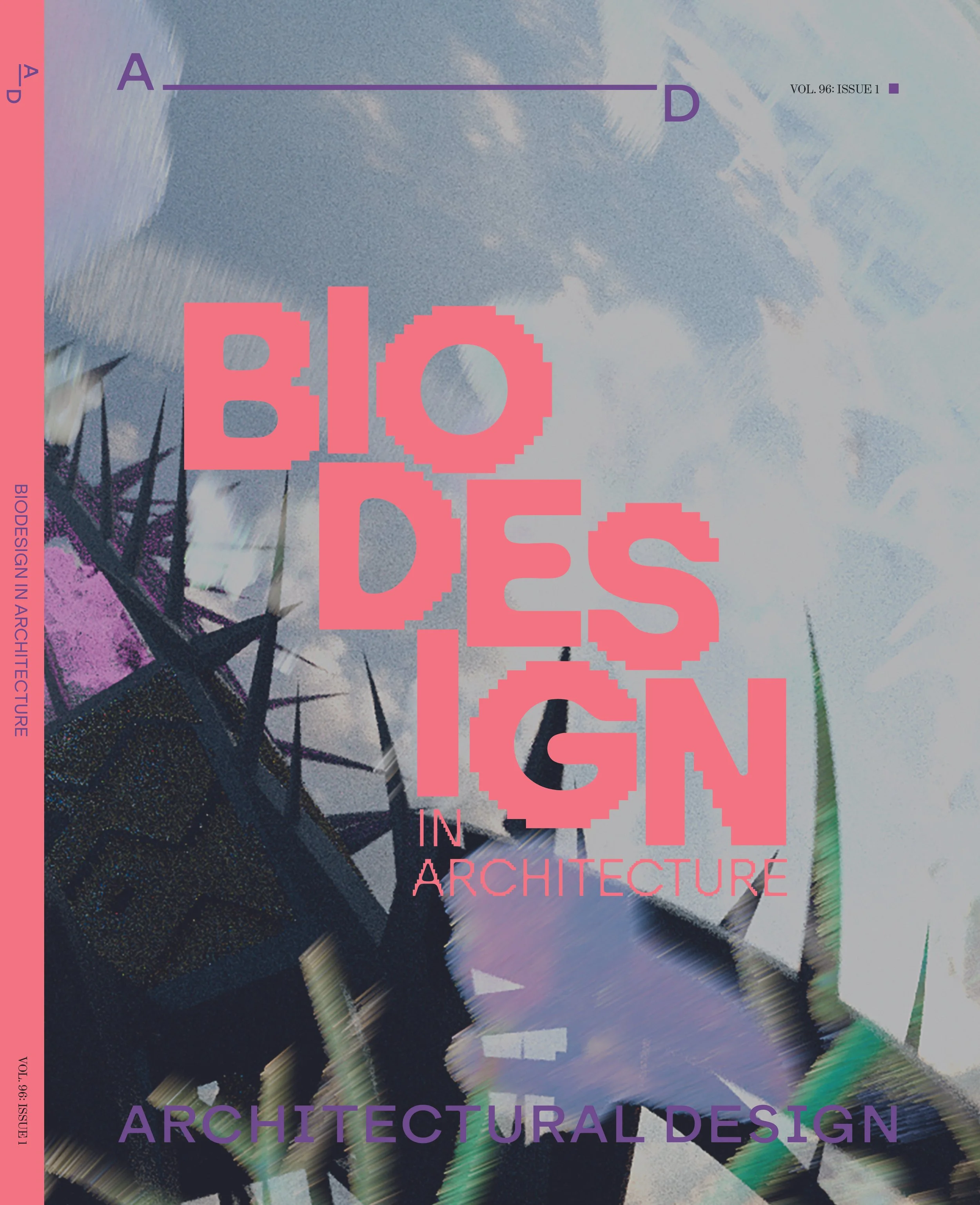
Guest-edited by Rachel Armstrong and Richard Beckett
The relationship between architecture and nature stretches back millennia. Today, this relationship is being redefined as the discipline of biodesign seeds a transition toward an adaptive, collaborative approach to architecture that promotes an ethics of co-creation with nature, a politics that embraces marginalized traditions, and an economics grounded in ecological resilience. This issue of Architectural Design A—D traces the evolution of biodesign from speculative metaphor to dynamic design tool and practice, arguing that architecture is undergoing a reorientation toward living systems. Biodesign is no longer confined to laboratories or isolated prototypes; it is entering the public realm, reshaping how environments are imagined, constructed, and inhabited. In this shift, biology is more than a resource to be exploited—it is a collaborator, a model, and a medium.
The contributors to this issue present architecture as a discipline grounded in reciprocity and regeneration. They advance an expanded discourse in which buildings behave as metabolically active systems that grow, digest, adapt, and decay, participating in ecological cycles rather than standing apart from them. This metabolic modality repositions architects as cultivators of biological processes, working with microbial intelligence and regenerative material flows.
These biotic negotiations of matter, energy, and information also explore how biotechnology and computational informatics together enable architectures that learn from and negotiate with living organisms. Here, artificial intelligence acts as an extended autonomic nervous system, embedding learned biological intelligence into materials and systems to produce unscripted, real-time responses. Across these trajectories—in living biocomposites, biodigital platforms, and relational, biotic architectures—the issue proposes that architecture decenters the human and conceives the built environment as indistinguishable from, and accountable to, the living ecologies it sustains.
CONTRIBUTORS
Rachel Armstrong, Phil Ayres, Richard Beckett, Beatriz Colomina, Marcos Cruz, Jonathan Dessi-Olive, Nancy Diniz, Joyce Hwang, Kyoung Hee Kim, Maria Kuptsova, Mae-ling Lokko, Frank Melendez, Paul Nicholas, Brenda Parker, Claudia Pasquero, Marco Poletto, Ronald Rael, Ehab Sayed, Milad Showkatbakhsh, Neil Spiller, Mette Ramsgaard Thomsen, Michael Weinstock, and Mark Wigley
FEATURED ORGANIZATIONS AND DESIGNERS
AA Design + Make, Beckett Lab, BIOHM, bioMATTERS, Centre for Information Technology and Architecture (CITA ), ecoLogicStudio, Emerging Technologies (Architectural Association), Regenerative Architecture Arts and Design (RAAD), Studio Biocene, Triennale Milano, and the Venice Architecture Biennale
Digital Copy — $20
Purchase the digital edition here: VOL 96.1 Biodesign in Architecture (DIGITAL)
Access will be delivered via email upon purchase.
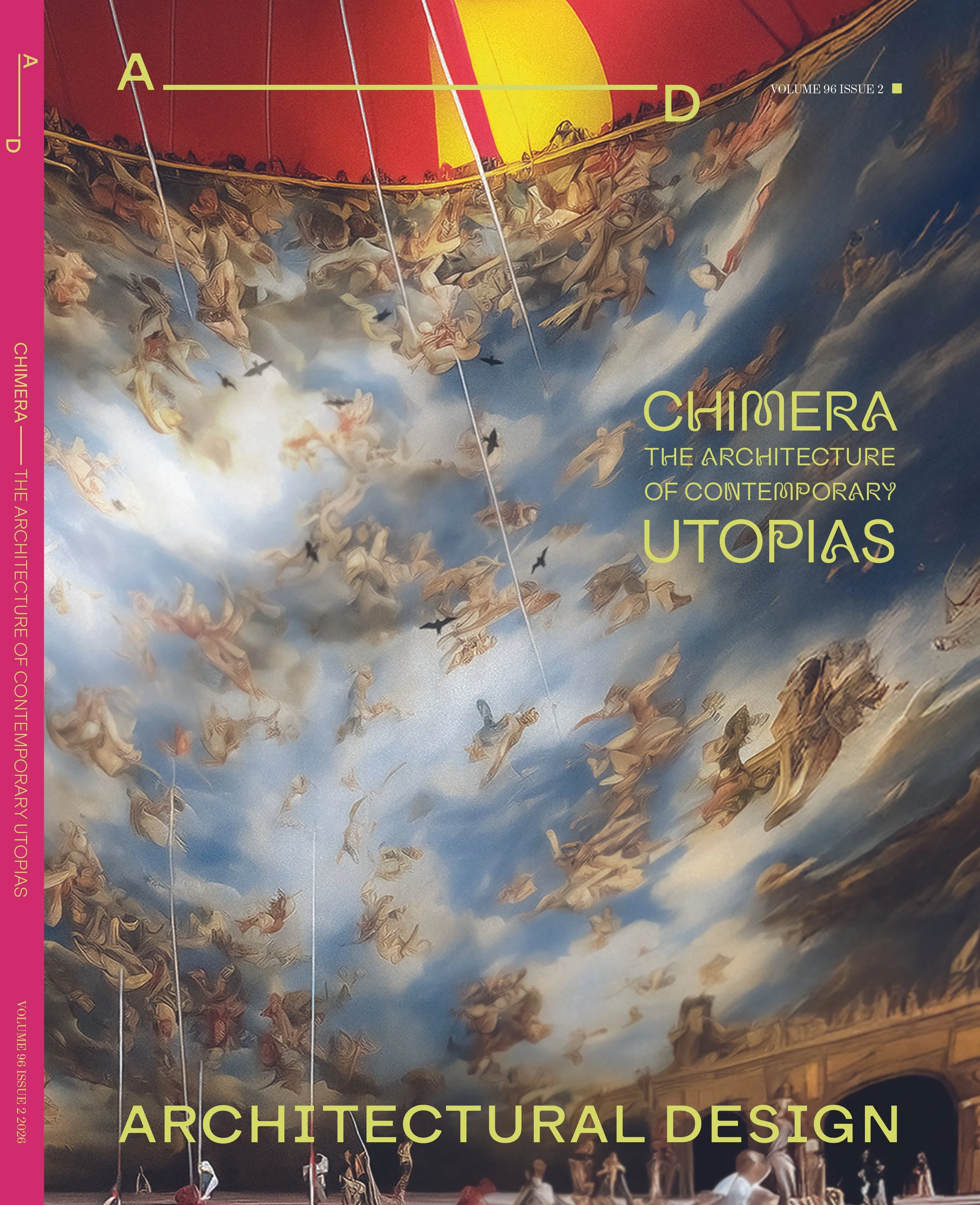
Guest-edited by Elena Manferdini and Damjan Jovanovic
What if the most urgent task for architecture today is to reclaim the work of imagining? In a present shaped by predictive models, climate dashboards, and platform logics that cast the future as already known—appearing to foreclose not only the possibility of transformation but the very meaningfulness of pursuing it—this issue of Architectural Design A–D, guest-edited by Elena Manferdini and Damjan Jovanovic, argues for the continued necessity of utopian thinking within and against the systems that constrain us. As we face the multiple urgencies of our capitalist present—and sense the darkening shadows of dystopic futures—the interventions staged in these pages propose not the neat solutions of blueprint utopianism, but strategies that reopen the field of the possible, burnishing our desire for alternatives without prescribing what the future might be. Crucially, this utopian imperative is recast in chimeric terms: as a hybrid, bricolaged, and provisional practice that acknowledges our complex entanglement within the planetary fabric. Running refusal and imagination together, the contributions featured here engage playable simulations, AI-mediated environments, feminist techno-futures, mobile infrastructures, and grassroots “practopias” whose insurgent energies reframe utopia as a shared improvisation in the present. Together, these contributions resist the dual temptations of nostalgic idealism and resigned realism, testing how architecture might negotiate, inhabit, and contest existing systems, bending them toward more enabling, equitable futures. They help us envision utopia not as a closed destination, but as a mode of speculative worldmaking: a living, ongoing process of chimeric invention.
CONTRIBUTORS
Robert Cha, Adil Bokhari, Federico Campagna, Jennifer Chen, John Cooper, Krish Dittmer, Graham Harman, Alina Nazmeeva, Neil Leach, Antoine Picon, Carlo Ratti, Marco Santambrogio, Paulette Singley, Neil Spiller, Andrew Witt, Natasha Wanganeen, and Liam Young
FEATURED ARCHITECTS AND DESIGNERS
Sophia Al-Maria, Archigram, Architectural Association, Atelier Manferdini, AtkinsRéalis, Arthur Becker, Tega Brain, Paolo Canevari, Carlo Ratti Associati, Certain Measures, Nigel Coates, Delugan Meissl Associated Architects, Diller Scofidio + Renfro, Peter Eisenman, Buckminster Fuller, Michael Graves, Grymsdyke Farm, Wes Jones, Rem Koolhaas, Elia Zenghelis, Madelon Vriesendorp, and Zoe Zenghelis, Norman Foster Foundation, Andrea Pozzo, Giulio Romano, Federico Spoltore, Studio Lifeforms, Studio Meteora (ETH Zürich), John Maybury, Jack Oliva-Rendler, Superstudio, Giovanni Battista Tiepolo, Venice Architecture Biennale, and Rain Wu
Digital Copy — $20
Purchase the digital edition here: VOL 96.2 Chimera: The Architecture of Contemporary Utopias (DIGITAL)
Access will be delivered via email upon purchase.
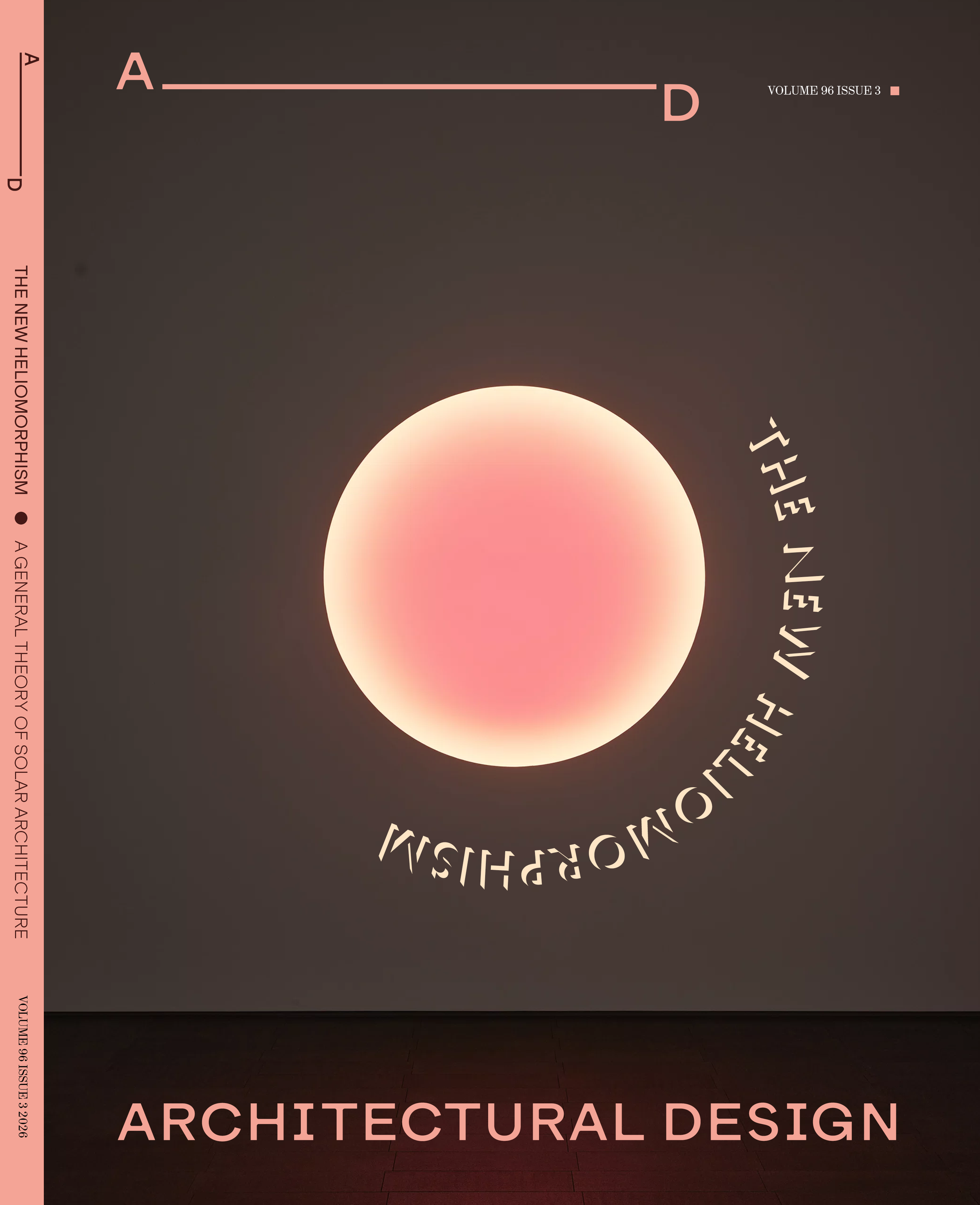
Guest-edited by Salmaan Craig, Charles Waldheim, Seok Min Yeo
What happens to architecture and urbanism when they are no longer supercharged by refrigerants and fossil carbon? How might architecture be reshaped by cascading flows of ambient energy, through solar fluxes and thermal gradients, linked to biogenic growing cycles?
This issue of AD examines the relations between three progressive practices that have emerged in contemporary practice over the past decade: critical solar performance, thermal self-regulation, and circular economies of biogenic materials. “The New Heliomorphism” proposes a unifying theory to reconcile the contradictions within and between these distinct modes of spatial projection and their implications for contemporary practice. The edition features contributions from leading voices across three thematic modes of ecologically informed practice—biopolitics and critical solar performance; thermal gradients and thermodynamic sections; biogenic materials after extraction. “The New Heliomorphism examines multiple shared latent tendencies within these ecological practices to propose a general theory of contemporary solar architecture.
CONTRIBUTORS
Michelle Addington, Lola Ben-Alon, Daniel Barber, Paul Bouet, Carl D’Apolito-Dworkin, Kelly Alvarez Doran, Dorit Aviv, Javier Garcia-German, Daniel Ibanez, Aleksandra Jaeschke, Paul Lewis, David J. Lewis, John May, Kiel Moe, Jenny Sabin, Ashley Simone, Thomas Schröpfer, Renata Sentkiewicz, Marc Tsurumaki, and Emmett Zeifman
COVER
James Turrell
Beneath the Surface, Circular Glass, 2021
LED light, etched glass and shallow space
52-inch diameter, runtime 2 hours and 30 minutes
© James Turrell. Courtesy of Pace Gallery
Digital Copy — $20
Purchase the digital edition here: VOL 96.3 The New Heliomorphism (DIGITAL)
Access will be delivered via email upon purchase.
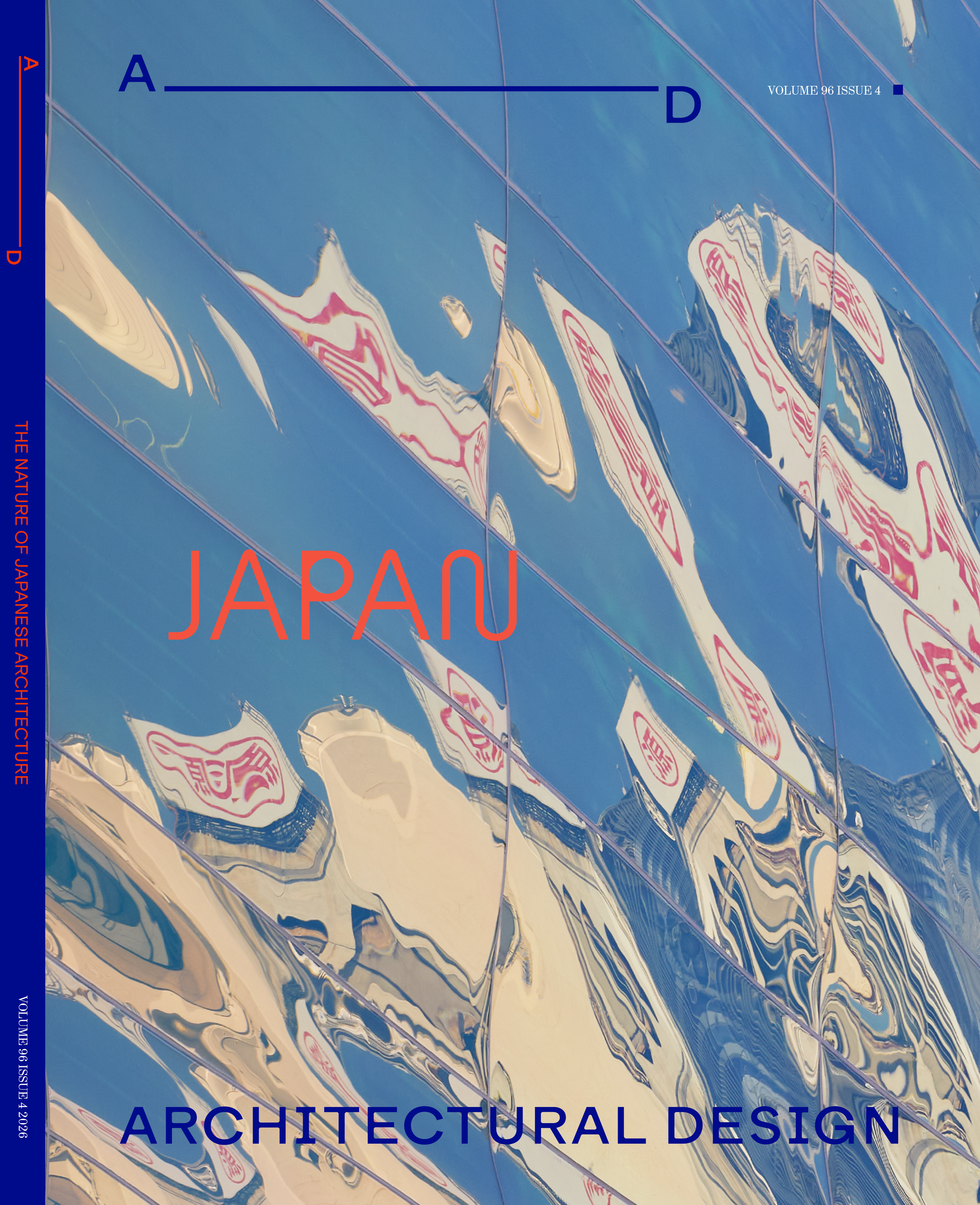
Guest-edited by: Hitoshi Abe, Tohru Horiguchi, Shunsuke Kurakata, Osamu Tsukihashi
Since antiquity, Japanese architecture has expressed a profound interdependence with nature. Throughout history, recurring natural disasters have shaped this orientation, compelling architecture to seek not dominance over the environment, but coexistence with it. This issue of AD examines how that sensibility endures today—manifesting in diverse approaches that redefine what it means for architecture to be ecological, responsive, and culturally grounded. Emerging from the dual pressures of environmental volatility and prolonged economic stagnation, contemporary Japanese practice has generated a renewed creativity, one that transforms constraint into invention and reimagines architecture’s pact with the natural world.
CONTRIBUTORS
Jun Aoki, Ryuichi Ashizawa, Shigeru Ban (Text by Souhei Imamura), Sou Fujimoto, Go Hasegawa, Akihisa Hirata, Junya Ishigami (Text by Taro Igarashi), Toyo Ito, Shunsuke Kurakata, Hiroshi Nakamura, Ryue Nishizawa (Text by Yuki Hyakuda), Yasuaki Onoda, Kiyoaki Takeda, Ippei Takahashi, Keisuke Toyoda, Eri Tsugawa, Yoshiharu Tsukamoto, Shigenori Uoya, Suzuko Yamada
2027
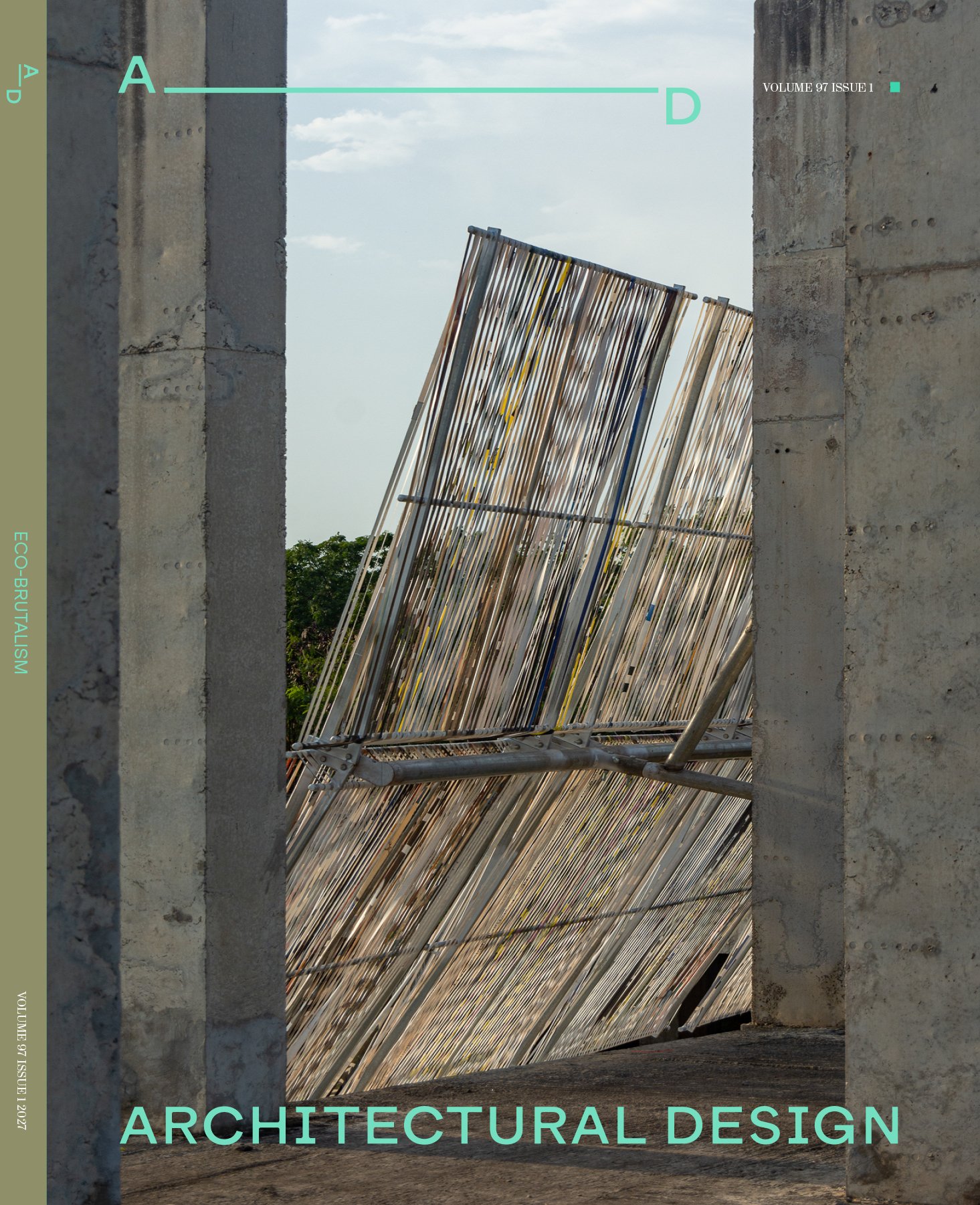
Guest edited by Vanessa Grossman and Owen Hopkins
“Eco-Brutalism” is an emerging architectural approach that reconnects the bold social vision of 1960s and 1970s Brutalism and New Brutalism with contemporary environmental challenges. Once dismissed and now reconsidered, Brutalism reflects an era of cheap energy and high carbon intensity. This issue of A—D explores how its expressive clarity and material honesty can engage natural systems, making environmental processes legible in design—from the mechanics of a building to the scale of landscape and infrastructure—and how it can inform low-carbon architecture with comparable ambition. Rather than focusing solely on materials such as timber, stone, or new bio-based alternatives, it examines the architectural languages and practices these materials enable, alongside new approaches to concrete. Part exploration, part manifesto, and part historical inquiry, the issue brings together practitioners, critics, and historians from across the globe to advance design thinking with the urgency, radicalism, and transformative spirit that once defined Brutalism itself.
CONTRIBUTORS
Letícia Wouk Almino, Caio Calafate, Jeanne Gang, Emanuele Coccia, Corentin Fivet, Maxence Grangeot, Béatrice Grenier, Lewis Jones, Rami Kanafani, Guy Nordenson, Dominique Petit-Frère, Søren Pihlmann, Bart-Jan Polman, Catherine Seavitt, Adam Sharr, Pedro Varella, Vo Trong Nghia, Jianfei Zhu, Taller Gabriela Carrillo, Lütjens Padmanabhan
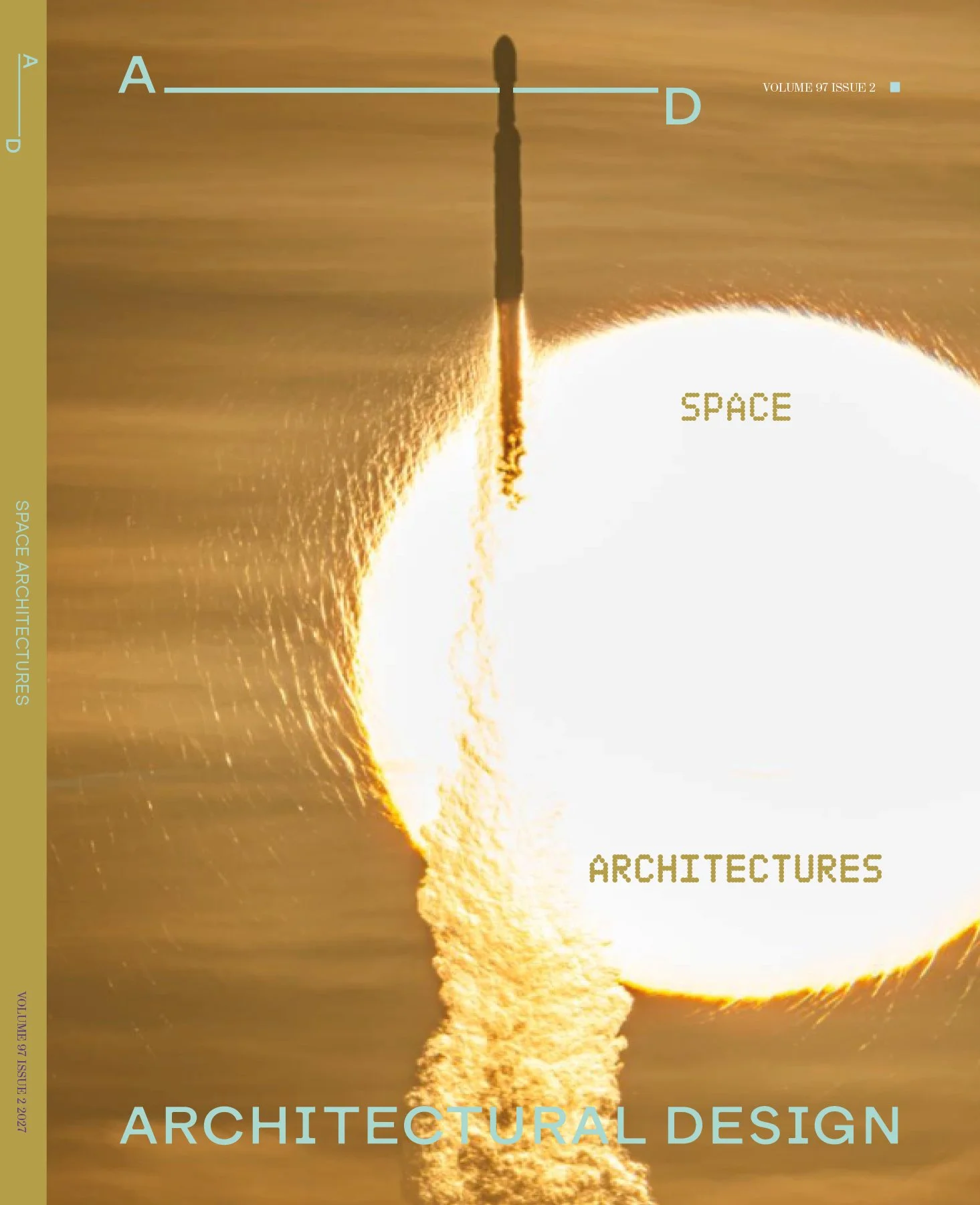
Guest edited by Melodie Yashar and William Richards
The next frontier of architecture may not be on Earth. As lunar and Moon-to-Mars development moves from speculation toward reality, architects are increasingly asked to design where humans will live beyond our planet—habitats that must contend with radiation, extreme conditions, and closed-loop systems of air, water, and waste. Yet survival alone does not make a habitat: the more fundamental question is what kinds of human worlds these systems will produce. Space is a terrain of contradiction, a site of scientific discovery and cooperation as well as geopolitical competition and commercial speculation, and off-world architecture risks carrying forward terrestrial patterns of inequality and extraction if treated as mere engineering. The fourth in a lineage of future-facing A—D issues, this volume asks how the pressurized cylinder might become a genuine habitat—one that enables privacy, belonging, and care—and turns the discipline's critical gaze upon itself. It examines not only how and what we might build off-world, but the political, ecological, and social terms on which—and for whom—those futures are built.
CONTRIBUTORS
Olga Bannova, Tibor Balint, Kate Balug, Marie-Pier Boucher, Marc Cohen, Nicholas de Monchaux, Xavier de Kestellier, Lydia Kallipoliti, Neil Leach, Monika Lipinska, Sandra Häuplik-Meusburger, Jeffrey Nesbit, David Nixon, Barbara Imhof, Lynn J. Rothschild, Fred Scharmen, Brent Sherwood, Madhu Thangavelu, Justin Walsh
Guest Edited by Johan Deurell and Yuma Shinohara
The primitive hut endures as a foundational concept, positioning the tent as architecture’s minimal paradigm. This issue of A—D reexamines the tent as structure, material, practice, and form, exploring its cultural and historical breadth. Through projects and critical perspectives, it frames the tent as a strategic model for rethinking sustainability, temporality, lightness, and collective life. Architecture faces growing pressure from the consumption of materials, energy, labor, time, and capital, prompting urgent interest in lighter modes of building and living. The tent is a convincing paradigm: a minimal, portable, and adaptable structure that privileges membrane over mass. Beyond efficiency, tents introduce temporality, ephemerality, and social multiplicity. They accommodate diverse uses from emergency shelter to celebration, and reframe architecture through flexibility, mobility, and multivalent cultural meanings in contemporary practice.
CONTRIBUTORS
Sean Anderson, Bangkok Tokyo Architecture, Iwan Baan, Didem Ekici, Isabelle Held, Anne Holtrop, Carla Juaçaba, Daryan Knoblauch, Joar Nango, Frei Otto, Smiljan Radić Clarke, SO–IL, Marina Otero Verzier, Enrique Walker, and Emmett Zeifman
PAST ISSUES
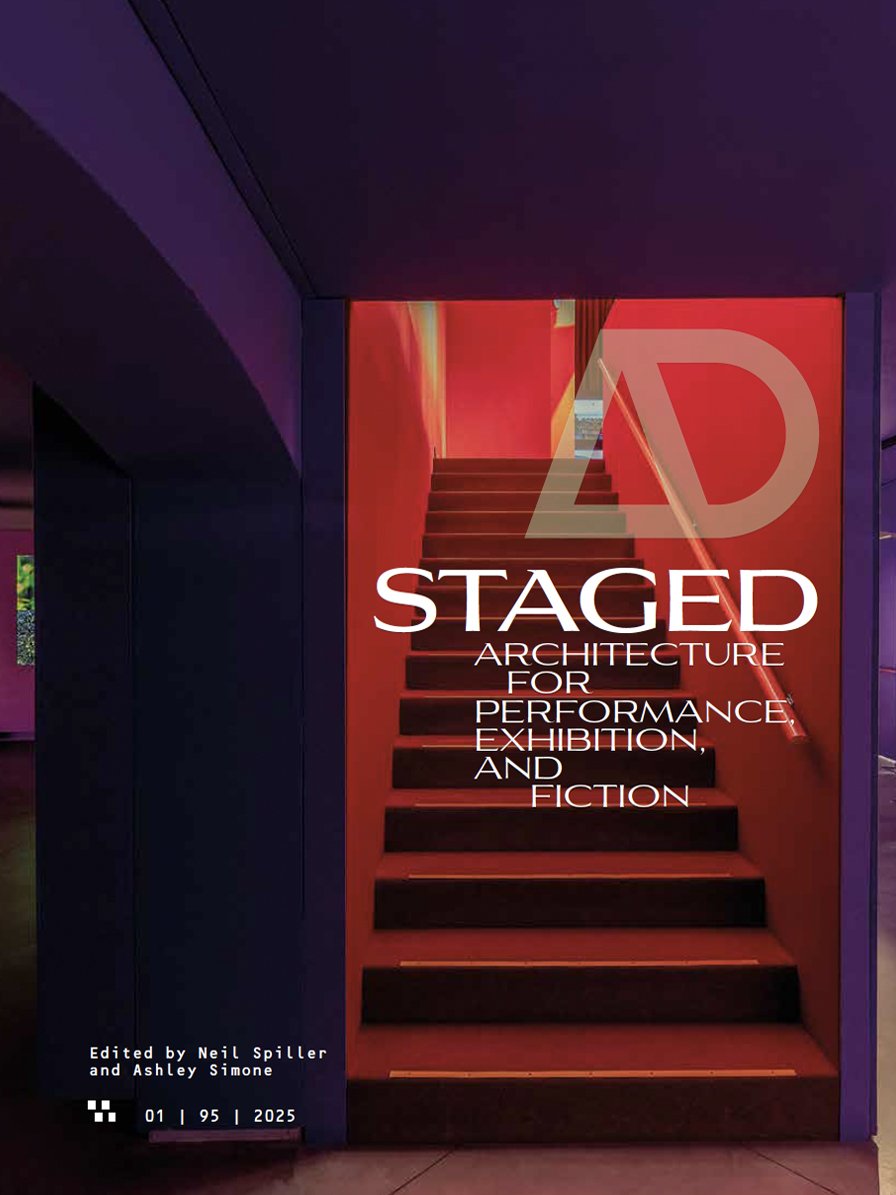
VOL 95.1
Staged: Architecture for Performance, Exhibition, and Fiction

VOL 95.2
Architects and Furniture
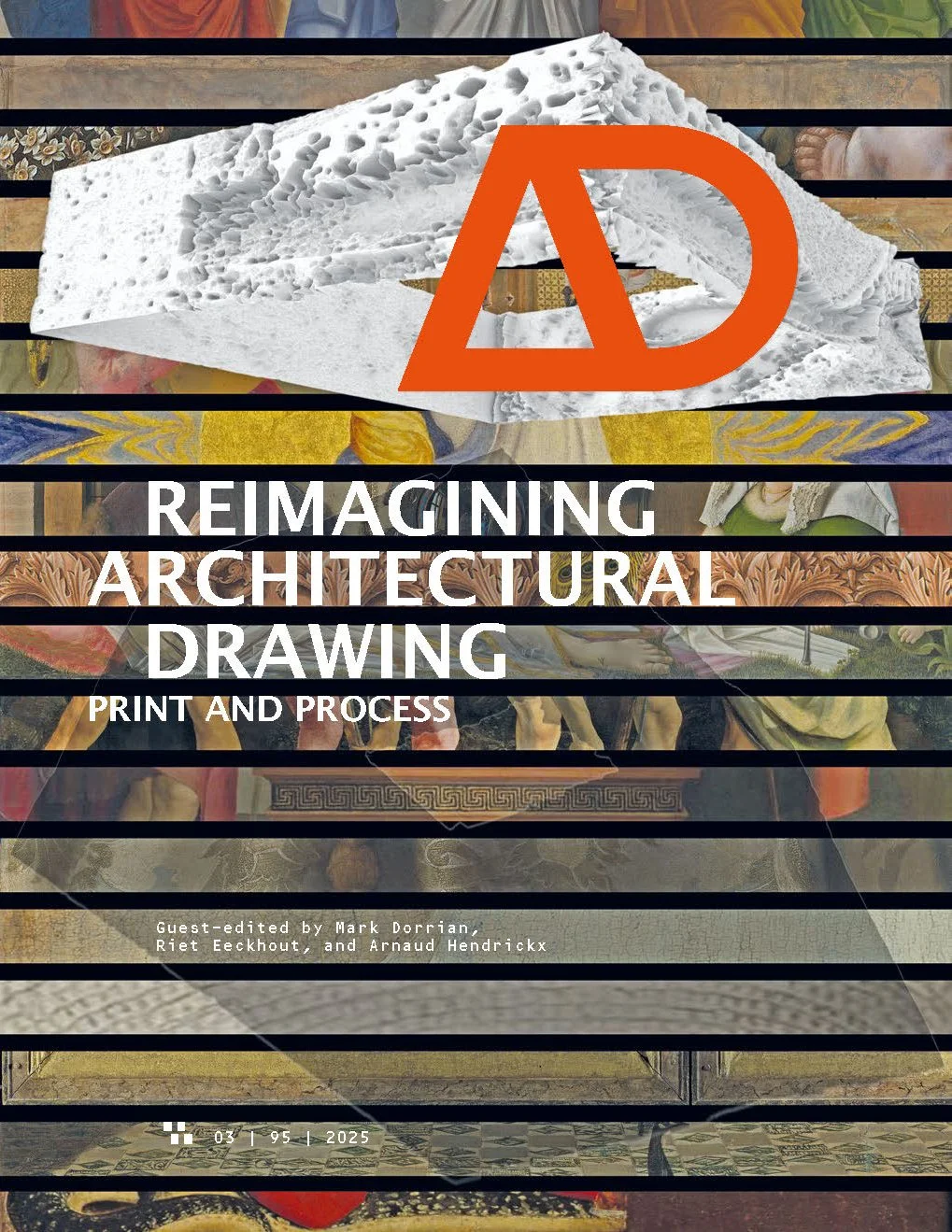
VOL 95.3
Reimagining Architectural Drawing: Print and Process
Axiomatic Editions published A—D during 2025. The magazine is currently published by Architectural Design and distributed by ARTBOOK D.A.P.| Distributed Art Publishers, located in New York City.